How to choose an occasional patch for family-linked dark circles
- Family history can contribute to under-eye darkness, while pigmentation, visible vessels, puffiness, and hollow shadows can overlap.
- Patches fit surface hydration and short-term appearance goals better than changes to facial structure.
- For an uneven-tone goal, Abib’s Vita jelly names glutathione, kojic acid, and niacinamide in its formula.
- For cadence, Topicals’ general guide suggests two to three uses a week, while Charlotte Tilbury’s directions specify daily, 10-minute wear for Immediate Eye Revival Patches.
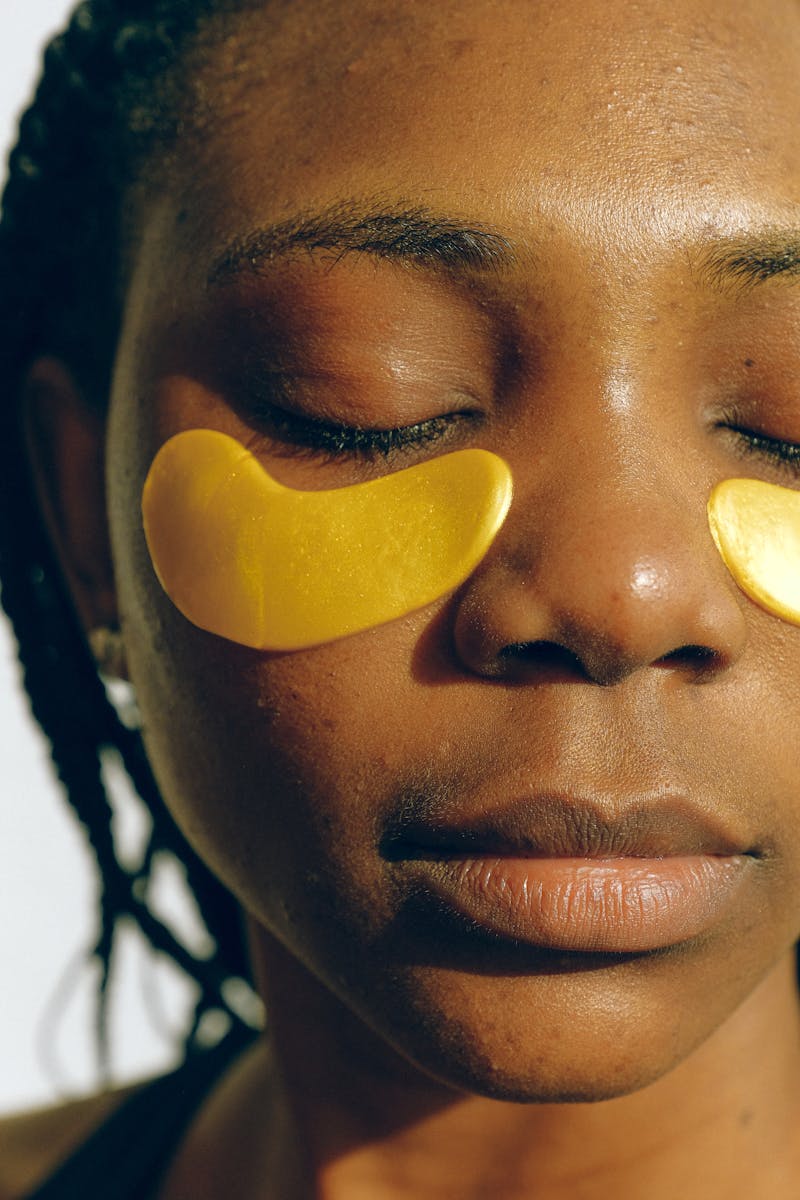
Yes, an under-eye patch can be a reasonable cosmetic choice for temporary surface hydration, cooling, or a smoother-looking finish. Start by noticing whether the most visible feature is uneven color, a blue-purple cast, morning puffiness, or a hollow that throws a shadow. For uneven tone, Abib’s Glutathione kojic acid eye patch Vita jelly is a formula-specific option: its product description names glutathione, kojic acid, and niacinamide to help improve the appearance of dark spots, hyperpigmentation, and uneven skin tone.
First, identify the kind of darkness you see
Cleveland Clinic’s overview identifies family history as one possible contributor to dark circles, alongside aging, dermatitis, sleep habits, and hyperpigmentation. A medical review of under-eye darkness describes the thin skin, underlying blood vessels, fluid, pigmentation, and facial structure that can combine to make the area look dark.
| Appearance to observe | What may contribute | What the pattern can suggest for a patch |
|---|---|---|
| Brown or gray color that seems to sit in the skin | Uneven pigmentation, including melanin-related changes | A tone-focused formula is the closest match to the visible goal. |
| Blue or purple cast, especially where the skin looks thin | Blood vessels visible through thin skin, pigmentation, or both | Cooling or hydration fits a refreshed-surface goal; uneven brown color fits a tone-focused formula. |
| A fuller or puffy area that is more noticeable in the morning | Fluid around the lower eyelid; the medical review says puffiness often looks worse in the morning or after a salty meal | A cooling, hydrating patch is a temporary cosmetic option for a refreshed look. |
| A hollow line or shadow that changes with lighting or viewing angle | A tear trough or other facial contour can create a shadow | A patch can add surface moisture, while the hollow remains a contour feature. |
The review of infraorbital dark circles notes that overhead lighting can make the under-eye area look darker, while direct light may mask the shadow.
Try comparing the area in similar light at two times of day. If fullness eases as the day goes on, fluid may be part of the look; if a brown tone stays prominent, uneven pigmentation may be a more relevant cosmetic target. A family pattern can coexist with either feature, so the useful question is what you want a patch to change in the mirror.
What an occasional patch can realistically change
The most practical patch goal is a temporary improvement in surface hydration, smoothness, or refreshed appearance. A formulation report on under-eye patches says skin moisture was measured before and after application with a corneometer and reports an improvement in hydration.
Research on a specific topical gel also helps set expectations for puffiness. In a randomized, double-blind, controlled study of caffeine gel, the formula did not reduce puffy eyes significantly more than its gel base overall. The authors reported that the cooling effect of the gel base had more influence on puffiness than caffeine’s effect in that study. The published caffeine-gel comparison assessed a topical caffeine gel alongside its gel base, with puffiness as the appearance concern.
A patch can still be a useful part of getting ready when the target is a temporarily smoother, more hydrated look before makeup. The Skyn Iceland explanation of regular eye masks describes standard gel or sheet-style patches as resting on top of the skin and being used for cooling, hydration, and a smoother-looking finish. That is a brand’s explanation of its patch format; it fits a short-term cosmetic goal more closely than a goal of changing inherited anatomy.
For uneven tone, consider a tone-focused formula
Choose an ingredient direction that matches color in the skin itself. Cleveland Clinic’s guide includes topical vitamin C creams among options that may lighten the appearance of dark circles. Abib separately describes the ingredients and intended appearance goals of its own patch formula.
Abib’s Vita jelly product description also lists ascorbic acid, 3-O-ethyl ascorbic acid, and ascorbyl glucoside as a vitamin C complex intended to enhance brightness and support smoother, more even-looking texture. That added brightness-and-texture focus makes it a fit to consider when uneven tone is the main concern and the reader also wants a smoother-looking finish.
If puffiness, vessels, or hollow shadows stand out more
For puffiness that changes during the day, a cooling hydrogel or gel patch is a closer match to the immediate goal of looking refreshed. The evidence about caffeine gel above points to cooling as a possible short-term part of that cosmetic effect, while the patch-format guidance describes hydration and smoothness as common reasons to use a conventional mask. A cooling sensation can feel pleasant and make the routine feel refreshing; choose it for that experience and for a temporary surface finish.
Thin skin can show underlying vessels, and tear-trough shape can cast a shadow; those features come from below the skin’s surface. If the tone itself also looks uneven, a tone-focused patch can address that separate cosmetic goal while the structural shadow remains a distinct feature.
Fit occasional use around the product directions
Topicals’ patch-use guide gives general guidance of two to three uses a week for most people. Charlotte Tilbury’s directions for Immediate Eye Revival Patches specify daily use for 10 minutes for that product. These different directions are a reminder to use the schedule and wear time for the patch you own.
The product description identifies its formula, use areas, and cooling hydrogel format, making its tone-focused purpose clear; let the product’s own directions determine how long to wear it and how often to apply it.
Use this quick decision path:
- Name the main visible concern. Choose uneven tone, morning puffiness, a blue-purple cast, or a hollow shadow as the most noticeable feature.
- Match the format to that goal. Shortlist a tone-focused formula for uneven color; choose a cooling or hydrating patch for a temporary refreshed look.
- Follow the individual directions.
- Compare like with like. Check the look in similar lighting and at a similar time of day. This makes day-to-day puffiness less likely to distract from whether the surface looks smoother or more hydrated.
- Use a fresh pair. Single-use patches are for one application; dispose of them after use.
The practical verdict is simple: patches are reasonable for temporary hydration or a tone-focused cosmetic goal, and Abib’s Vita jelly is the more targeted choice here when uneven tone is the main visible concern. Choose a cooling patch when the immediate goal is a refreshed look, and expect inherited vessel visibility or a hollow shadow to need a different kind of solution.
FAQ
Do family-linked dark circles mean the cause is always genetic?
No. Family history can contribute, while pigmentation, thin skin, blood vessels, fluid, and facial contour can overlap. Cleveland Clinic identifies family history as one possible factor, and the medical review describes several structures and processes that can create the appearance.
Can I use under-eye patches two or three times a week?
Yes, when the directions for your specific patch allow it. Topicals gives two to three weekly uses as general guidance, while Charlotte Tilbury recommends daily use for its Immediate Eye Revival Patches, so the product’s own directions set the schedule.
Is Abib’s Vita jelly a fit for a hollow tear-trough shadow?
No, a hollow is a structural shadow rather than uneven skin tone. Abib describes Vita jelly’s glutathione, kojic acid, and niacinamide for the appearance of dark spots, hyperpigmentation, and uneven tone, making that color concern its better fit.
Can I leave a regular gel patch on overnight?
No. Topicals’ guide describes many patches as limited-wear products, typically around 10–20 minutes; Skyn Iceland’s guide gives its separate dissolving-microneedle format an overnight wear time of 6–8 hours. A conventional gel or sheet patch has its own short-use directions, while overnight formats are a separate product type with separate instructions.